
Multi-Fuel Engines
How Multi-Fuel Engines Are Preparing for the Next Generation of Renewable Fuels
Fuel Flexibility Is Becoming an Engineering Priority
The transition away from conventional fossil fuels is creating a new challenge for engine manufacturers: no single renewable fuel is likely to dominate every heavy-duty application.
Marine vessels, generators, industrial systems and other high-power applications operate under very different conditions. Fuel availability, storage requirements, energy density and infrastructure can also vary significantly between regions and industries.
This is encouraging a new approach to engine design.
Instead of engineering engines around one fixed fuel, manufacturers are increasingly developing platforms capable of supporting different fuel pathways through changes in combustion systems, injection technology and fuel-management architecture.
The objective is flexibility.
An engine installed today may need to operate in an energy system that looks very different ten or twenty years from now. Designing platforms that can evolve with changing fuel availability could therefore become an important part of long-term power-system planning.
Different Manufacturers Are Taking Different Routes
The emerging engine landscape already shows several approaches to this challenge.
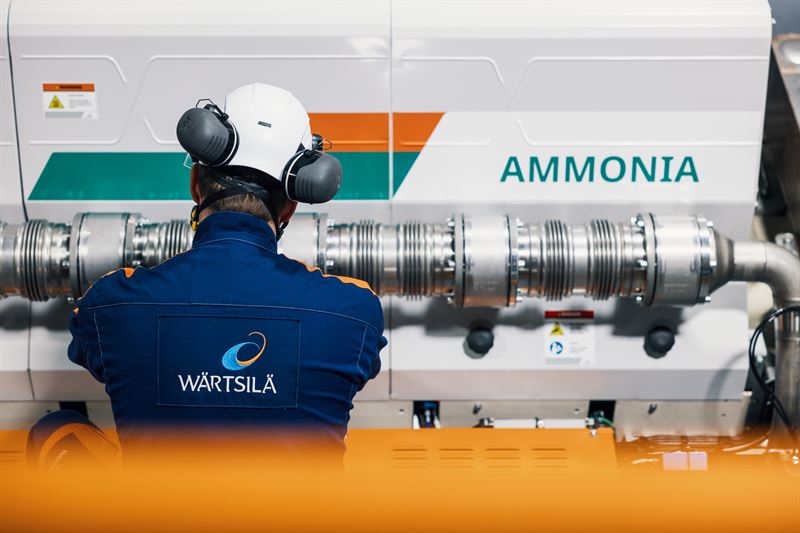
Wärtsilä is expanding its marine engine portfolio around fuel-flexible platforms, including methanol and ammonia technologies. Its approach demonstrates how the underlying engine architecture can be adapted as new marine fuels become commercially relevant.
Rolls-Royce is pursuing a similar transition through its mtu engine portfolio. Development around the Series 4000 includes renewable drop-in fuels as well as methanol technology, linking established high-performance engine architecture with new fuel systems.
MAN Energy Solutions is also developing dual-fuel engine concepts capable of incorporating methanol into marine propulsion.
These programmes are technically different, but they point towards the same wider trend.
Future engine development is moving away from a simple question — Which fuel does this engine use? — towards a more complex one:
How many future fuel pathways can this engine architecture support?
That shift changes the role of combustion engineering, because injection systems, ignition strategies, thermal management and engine controls must increasingly be designed with fuel flexibility in mind.
The Engine Platform May Matter More Than the Fuel
The renewable-fuel transition is often discussed as a competition between individual fuels.
Methanol, ammonia, renewable diesel and synthetic fuels are frequently presented as alternative solutions competing for the same future market.
Engine technology suggests a different possibility.
Rather than waiting for one universal fuel to emerge, future power systems may rely on adaptable engine platforms capable of operating across several fuel pathways.
This could be particularly important in sectors where equipment remains in service for decades.
A vessel or industrial power system installed today may experience major changes in fuel availability during its operating life. An engine architecture that can be upgraded or adapted could therefore provide greater flexibility than a system permanently tied to a single energy carrier.
The engineering challenge is substantial. Different fuels require different approaches to storage, injection, ignition, combustion and emissions control.
But that challenge is also driving innovation.
The next generation of combustion engines may ultimately be defined not by the fuel written on their specification sheet, but by their ability to evolve as the renewable-fuel economy develops.